Business Card Vintage Mandala
A Designer’s First Glance: Delicate, Intentional, and Quietly Confident
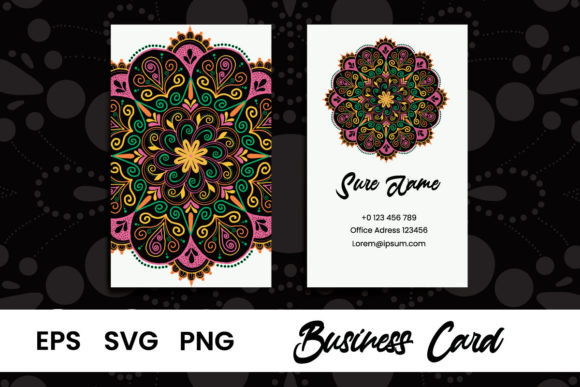
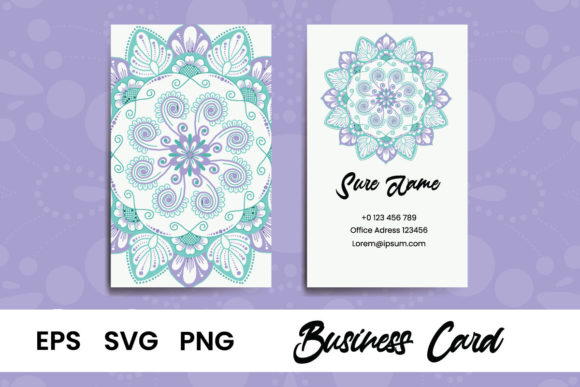
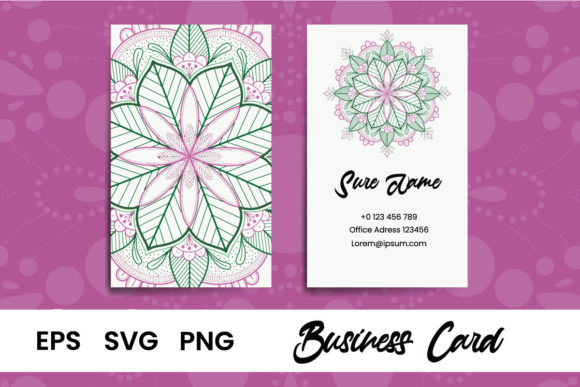
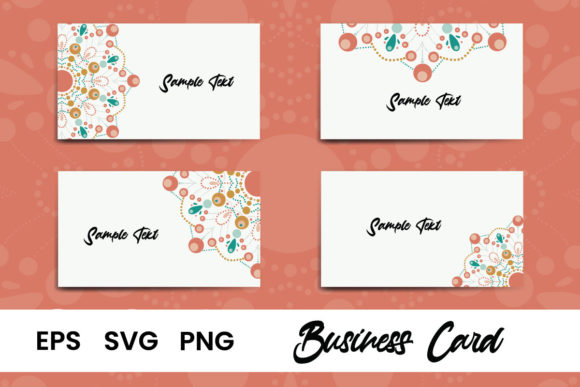
When Business Card Vintage Mandala opened on my screen, I didn’t see “just another mandala.” I saw rhythm—symmetrical but not rigid, ornate but never fussy. The vintage styling comes through in subtle ways: soft line weight transitions, gentle floral flourishes tucked into the outer rings, and a balanced negative space that breathes. It doesn’t shout; it invites closer looking. That’s rare in digital embroidery files meant for real-world stitching—and exactly why I paused before importing it into my embroidery software.
This Isn’t Just for Business Cards—It’s a Versatile Embroidery Anchor
I tested Business Card Vintage Mandala as the centerpiece of a custom embroidered linen tote bag for a local boutique owner. Why a tote? Because it’s unforgiving: uneven tension shows, stitch density affects drape, and customers notice when a design looks “flat” or “crowded.” On medium-weight natural linen with tear-away + cut-away stabilizer, the mandala held its shape beautifully. The outer petals translated cleanly into satin stitch, while the inner geometric core responded well to smooth fill stitch—no skipped stitches, no thread nesting. It felt like a handmade product, not a mass-produced graphic slapped on fabric.
That same design later became a small embroidered patch on a child’s organic cotton apron (for a Montessori kitchen set), then reappeared—scaled down—as a subtle chest accent on a heavyweight unisex sweatshirt. Each time, the balance of detail and openness kept it legible and elegant. It works for baby embroidery because it avoids sharp points or overly tight clusters—no risk of scratchy texture against delicate skin. For holiday embroidery or wedding gifts, its timeless tone reads as thoughtful, not trendy.
Where It Shines—and Where to Proceed With Care
Business Card Vintage Mandala thrives on stable, even surfaces: tea towels, pillow covers, structured caps (front panels only), and flat-panel aprons. Its radial symmetry makes it forgiving on curved areas *if* hooped carefully—but avoid stretching it over deep crowns or heavily contoured hats without testing first.
Use caution on:
- Thin or stretchy fabrics—like lightweight knits or rayon challis—without extra stabilizer; fine outer lines can distort;
- Dark fabric backgrounds without adjusting thread contrast; some inner details fade if you rely solely on default digitizing;
- Small hoop sizes under 4”; while scalable, the outer floral elements lose definition below ~3.2” diameter;
- Layered garments (e.g., hoodies with thick fleece backing)—test stitch density to avoid stiffness or puckering;
- Frequent-wash items like kitchen towels—confirm your thread choice holds up, and consider reinforcing high-curve areas with a light running stitch outline.
What This Design Says About Your Craft—and Your Customers’ Trust
When a customer sees Business Card Vintage Mandala stitched onto a handmade product, they’re subconsciously reading craftsmanship cues: intentionality in spacing, respect for fabric behavior, and attention to how light catches each curve. That builds trust faster than any tagline. For Etsy sellers and small shop owners, it elevates perceived value—not because it’s flashy, but because it feels *considered*. It supports brand consistency for boutiques leaning into earthy, mindful, or heritage aesthetics. And for personalized gifts? Its quiet sophistication makes it feel special without being overly formal—ideal for baby showers, teacher appreciation, or “just because” moments.
Practical Notes Every Embroidery Designer Should Run Through
Before cutting thread or pressing fabric:
- Test on scrap fabric—especially if using textured weaves (burlap, heavy canvas) or blends;
- Check thread color contrast across your palette; this design rewards rich tonal layering (e.g., charcoal gray + cream + terracotta);
- Review stitch density in the center ring—some versions of vintage mandalas overfill small zones, causing stiffness;
- Confirm hoop size compatibility with your machine; while scalable, extreme resizing may require re-digitizing for clean satin edges;
- Inspect small details at actual stitch size—those tiny leaf tips should land crisply, not blur;
- Mock it up in black and white first to assess visual hierarchy and clarity;
- Compare light vs. dark fabric backgrounds—the design’s balance means it adapts well, but thread choice is decisive;
- Use appropriate stabilizer: medium cut-away for knits, tear-away + topping for nap-free fabrics like linen;
- Verify commercial use rights before selling finished products or bundling the file in digital embroidery kits—this is a Graphics asset, not automatically licensed for resale;
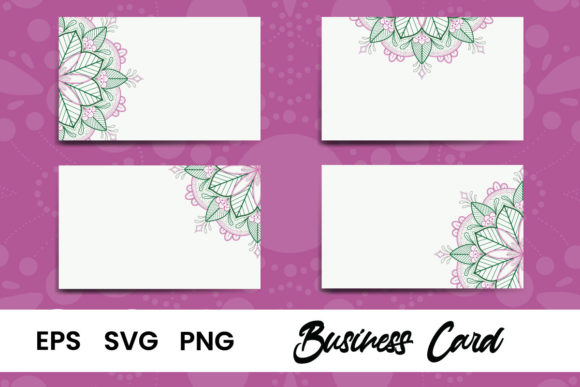
- Remember its roots: though labeled Print Templates, its clean vector structure (AI, EPS, Affinity Design) and CMYK 300 PPI PNGs make it equally strong for printable mockups or digital product previews.
Final Thought: A Design That Supports—Not Overpowers—Your Vision
Business Card Vintage Mandala won’t distract from your product’s function or your brand’s voice. It won’t demand attention—it earns it, quietly, stitch by careful stitch. That’s the mark of a truly usable embroidery file: one that serves the project, respects the craft, and leaves room for the maker’s hand to shine through. Whether you’re stitching a single custom pillow cover or building a full line of boutique merchandise, this is the kind of design that becomes a trusted tool—not just a temporary trend.