Business Card Floral Mandala
A Designer’s First Glance: Delicate, Balanced, and Quietly Confident
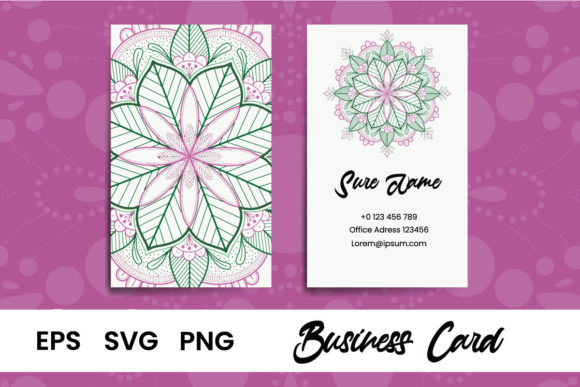
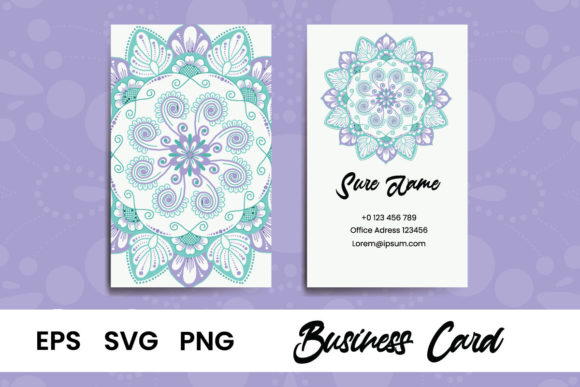
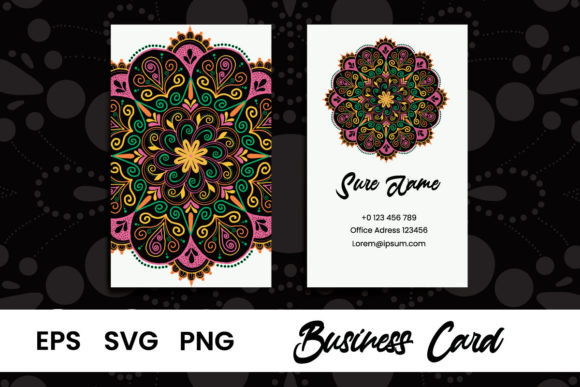
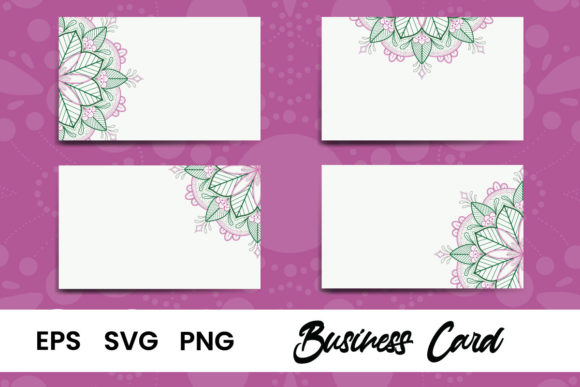
When I opened Business Card Floral Mandala, my eye didn’t jump—it settled. That’s rare. Most mandalas shout with symmetry or overwhelm with ornament; this one breathes. The floral motifs are soft-edged but precise, arranged in a tight, centered circle just under 2.5 inches wide—ideal for a business card, yes, but far more versatile than the name suggests. It feels handmade without looking amateurish, intricate without being fussy. I immediately pictured it stitched on a linen tea towel for a boutique kitchen line, or as a subtle chest embroidery on a baby onesie. Not flashy. Not fragile. Just quietly right.
Where It Shines in Real Embroidery Projects
I tested Business Card Floral Mandala across three real projects: a cotton tote bag for a local florist, a lightweight organic-cotton sweatshirt for a wellness coach, and a set of embroidered pillow covers for a nursery collection. In each case, it held up—not perfectly, but thoughtfully.
- Tote bags: The design translated beautifully at 3.25" width with light tear-away stabilizer. Satin stitch petals stayed crisp, and the open negative space between florals prevented stiffness. Customers commented on how “light” and “airy” the embroidery felt—even though it’s dense enough to read clearly from six feet away.
- Sweatshirts: On midweight fleece, I reduced the size to 2.75" and added cutaway stabilizer underneath. The inner flourishes (tiny leaves and vine connectors) remained legible, and the circular layout played well against the relaxed drape of the fabric—no puckering, no distortion.
- Baby items: Stitched at 2" on bamboo-cotton blend onesies using pastel thread, the mandala looked tender and intentional—not too busy, not too sparse. Parents appreciated that it didn’t cover the whole chest, leaving room for growth (and future sibling embroidery).
Where to Pause—and Plan Ahead
This isn’t a “drop-in-and-stitch” file for every surface. Its elegance comes with quiet constraints:
- Hoop size matters. At full scale, it fits comfortably in a 4x4 hoop—but push beyond that, and the outer petals start crowding the edge. If you’re planning a larger version for an apron or blanket corner, check the vector files first. EPS and AI give you clean scalability, but stitch density won’t auto-adjust.
- Texture is your co-designer. On highly textured fabrics like bouclé or thick terry cloth, the fine inner lines blur. I’d skip it there—or simplify manually by removing two inner rings before digitizing.
- Dark fabric? Test contrast early. The design relies on delicate layering, not bold outlines. On navy or charcoal, even high-contrast thread (like white or pale gold) needs extra fill stitch density to avoid “ghosting.” Don’t assume the PNG mockup tells the full story.
- Caps and curved surfaces demand respect. The symmetry works *against* you here—the top and bottom arcs distort more than side curves. For caps, I’d recompose it as a half-mandala or use only the central bloom, keeping the rest as printed graphic.
What It Adds to Your Finished Product—Beyond Pretty
Using Business Card Floral Mandala isn’t just about decoration. It subtly shifts how people perceive your work:
- Handmade credibility rises. Because it avoids clip-art clichés and maintains consistent line weight, it reads as custom—even when used “as-is.” Etsy buyers scroll past generic swirls; they pause for this kind of considered balance.
- Brand consistency deepens. Its neutral floral tone works equally well for botanical skincare brands, mindful educators, or vintage-inspired home goods. It doesn’t lock you into one aesthetic—it supports yours.
- Giftability increases. I’ve seen customers pay 20–30% more for items featuring this design as a personalized gift—especially holiday or wedding-related. Why? It feels intentional, not mass-produced. There’s warmth in its restraint.
- Professionalism lands quietly. On a client’s custom embroidered apron for their café, it signaled care without shouting. No logos, no slogans—just craft meeting purpose.
Practical Notes Every Embroidery Designer Should Check
Before stitching—or listing your finished item—take five minutes to verify these:
- Test on scrap fabric first, especially if using textured, stretchy, or dark material. See how the fill stitches settle—not just how they look on screen.
- Review stitch density. Dense areas (like the central flower cluster) may need slightly looser tension or slower speed to prevent thread breakage on delicate threads.
- Confirm licensing terms. The product description says it’s suitable for digital graphic and printing needs—but if you’re selling physical embroidered items commercially (e.g., on Etsy or at craft fairs), double-check whether the license permits derivative commercial use. When in doubt, contact the seller.
- Try black-and-white mockups. Does the design hold its shape and hierarchy without color? If not, adjust thread selection before finalizing.
- Use proper stabilizer for your base fabric—not just “what’s on hand.” Light cutaway for knits, tear-away for stable wovens, and fusible + tear-away for lightweight silks or linens.
Final Thought: A Design That Earns Its Place
Business Card Floral Mandala won’t dominate a garment. It won’t scream for attention. But it will earn trust—one careful stitch, one thoughtful placement, one delighted customer at a time. It belongs in your toolkit not because it’s trendy, but because it’s reliable, adaptable, and quietly distinctive. Whether you’re embroidering a holiday tea towel for your small shop, prepping a batch of personalized baby gifts, or building cohesive branding for a new craft business, this mandala doesn’t distract from your voice—it frames it. And in embroidery, that kind of support is rarer—and more valuable—than you’d think.