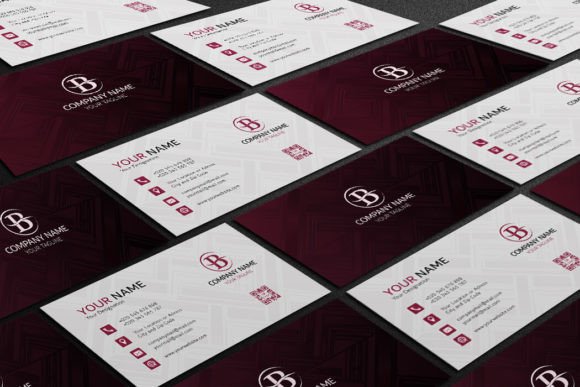
Texture Professional Business Card
As an embroidery designer and product reviewer, I often find myself evaluating digital design assets for their real-world usability. The Texture Professional Business Card template caught my attention for its clean, modern aesthetic and potential in various embroidery applications. Let’s dive into how this design performs when translated into actual stitched projects.
First Impressions: A Minimalist Approach with Practical Potential
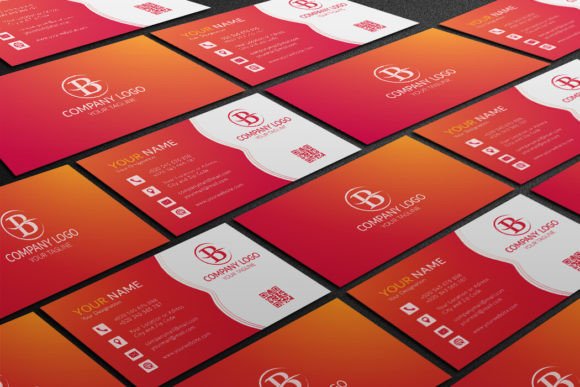
The Texture Professional Business Card immediately conveys a sense of sophistication. Its minimalist layout and subtle texture make it ideal for professional branding. The design is clean, with enough visual interest to stand out without overwhelming the viewer. It feels like a design that could work well on both digital and physical mediums.
From a textile perspective, the layout suggests it would translate well into machine embroidery designs. The balance between negative space and detail makes it adaptable for different fabric types and project sizes. Whether used as a logo on a tote bag or as part of a custom sweatshirt, the design has a versatile quality that many embroidery designers will appreciate.
Real-World Embroidery Applications
Imagine you’re creating a custom embroidered tote bag for a client who runs a boutique. The Texture Professional Business Card could serve as a subtle yet elegant emblem on the bag’s side. The design’s simplicity ensures it doesn’t get lost in the fabric texture, while the slight texture adds depth without being too busy.
For a baby item, such as a onesie or a blanket, the design’s minimalism works well. It avoids any overly complex elements that might be hard to stitch on delicate fabrics. The same applies to personalized gifts—whether it’s a cap, a pillow cover, or a kitchen towel, the design maintains a professional look without requiring excessive stitching time or resources.
In commercial embroidery settings, this design could be a go-to for small shop products or Etsy listings. Its clean lines and lack of intricate details make it efficient to produce, which is great for high-volume orders. It also offers a polished appearance that aligns with the expectations of clients looking for quality handmade products.
Where to Use It Carefully
While the Texture Professional Business Card is versatile, there are scenarios where caution is needed. For instance, if you're working with small hoop sizes, the design’s layout may require careful placement to ensure all elements are visible. Similarly, on textured fabrics or thin materials, the design’s subtle texture might not show up as intended.
On dark fabrics, the contrast between the design and the background could be an issue unless the thread color is carefully chosen. Likewise, on stretchy or layered garments, the design’s stability may be compromised if the right stabilizer isn’t used. For curved surfaces like caps, the design’s flat nature might not adapt well without some adjustment.
Detailed corners or tiny lettering can be problematic if the stitch density is too high. This is especially true for dense stitch areas or decorative accents that might cause the design to pucker or distort. It’s important to test the design on different fabrics before committing to a full production run.
Impact on Visual Appeal and Customer Perception
The Texture Professional Business Card has a strong visual appeal that can elevate the perceived value of a finished product. When stitched correctly, it adds a professional touch that customers recognize and appreciate. This is particularly important for handmade products or personalized gifts, where the design plays a key role in the overall presentation.
For small business owners and Etsy sellers, the design’s consistency helps maintain brand identity across different items. Whether it's used on a custom apparel piece or a printable mockup, the design remains recognizable and cohesive. This consistency builds customer trust and reinforces the professionalism of the brand.
When it comes to giftability, the design’s elegance makes it suitable for holiday or wedding gifts. Its understated style ensures it doesn’t feel overdone, making it a safe choice for a wide range of recipients. It also enhances the gift’s presentation, making it more likely to be appreciated and remembered.
Embroidery Designer Notes: Practical Tips for Success
Before using the Texture Professional Business Card in your next project, here are a few practical tips to keep in mind:
- Test on scrap fabric first. This helps identify any issues with stitch density, thread color, or fabric compatibility.
- Check thread color contrast. Ensure the thread color complements the fabric and doesn’t blend in too much or stand out too harshly.
- Review stitch density. Adjust the density if necessary to prevent puckering or distortion, especially on delicate fabrics.
- Confirm hoop size. Make sure the design fits comfortably within your hoop to avoid any cropping or misalignment.
- Inspect small details. Pay close attention to corners, edges, and fine lines to ensure they stitch cleanly.
- Test in black and white mockups. This helps visualize how the design will appear on different backgrounds.
- Compare light and dark fabric backgrounds. Some designs may look better on one than the other, depending on the thread colors used.
- Use proper stabilizer. This is essential for maintaining the design’s shape and preventing distortion, especially on stretchy or lightweight fabrics.
- Confirm licensing. Before selling finished items or digital products, double-check the license terms to ensure compliance.
By following these steps, you can ensure that the Texture Professional Business Card translates well into a high-quality, professional-looking finished product that meets your standards and your client’s expectations.