Save the Turtles, Save the Sea
A Designer’s First Look: Gentle, Purposeful, and Ready for Stitching
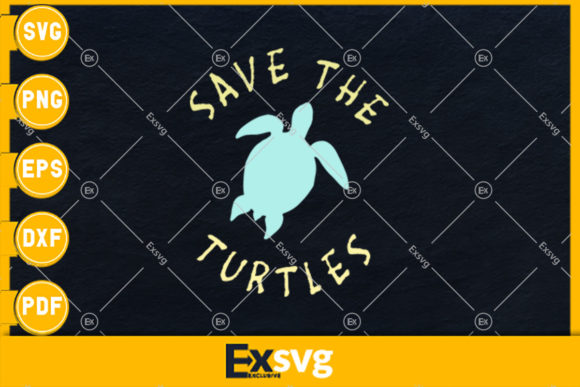
When I opened Save the Turtles, Save the Sea for the first time, I didn’t see just another ocean-themed graphic—I saw a quiet invitation to meaning. The composition balances simplicity with intention: a centered sea turtle swimming upward, soft waves curling beneath, and clean, rounded typography that feels hand-drawn but precise. It’s not overly detailed—no intricate shell textures or hyper-realistic water droplets—but that’s its strength. As a machine embroidery design, it avoids the trap of over-engineering. It breathes. That matters when you’re stitching on a baby onesie or a linen tea towel where clarity trumps complexity.
Real Project Test: A Custom Embroidered Tote for a Coastal Boutique
Last week, I used Save the Turtles, Save the Sea to embroider a set of organic cotton tote bags for a small coastal boutique. Their customers love sustainable messaging—and they expect handmade polish, not pixelated cut files masquerading as embroidery-ready assets. I chose a 4" hoop, medium-weight tear-away stabilizer, and matte cotton thread in seafoam and deep navy. The result? Clean satin-stitched curves on the turtle’s shell, smooth fill stitches in the wave bands, and legible (but not stiff) lettering. No skipped stitches. No thread breaks. Most importantly—it looked intentional, not imported. That distinction builds trust with buyers who pay a premium for thoughtfully made embroidered products.
Where This Design Truly Shines
- Custom apparel: Works beautifully on sweatshirt cuffs, chest pockets, and back yokes—especially on midweight fabrics like fleece or French terry.
- Baby embroidery: Its gentle shape and open spacing make it ideal for onesies and burp cloths—no dense stitch clusters that could irritate sensitive skin.
- Embroidered patch: Easily digitized into a sew-on or iron-on patch; the balanced negative space prevents fraying at edges.
- Tote bag design and kitchen towel applications benefit from its horizontal flow and moderate width—it doesn’t overwhelm narrow surfaces.
- Holiday embroidery and wedding gifts: Paired with neutral linens or ivory canvas, it reads as calm, conscious, and quietly celebratory—not trendy, but timeless.
Where to Proceed Thoughtfully
Save the Turtles, Save the Sea is versatile—but not universal. It’s a Graphics file first, adapted for craft cutting, not born from embroidery digitizing. So before committing to production:
- Avoid tight hoop sizes under 3.5"—the curve of the turtle’s flippers and the subtle taper in the wave lines need breathing room.
- Test on textured fabrics like bouclé or heavy twill—the design’s soft outlines can blur if the fabric surface interrupts stitch definition.
- Layered garments (think reversible jackets or quilted vests) may compress fine details; consider simplifying the wave layer or adjusting stitch density manually.
- Dark fabric demands contrast testing: the original SVG’s thin interior lines won’t translate unless you adjust underlay or add outline stitches in your embroidery software.
- Curved surfaces like caps require re-hooping strategy—this design isn’t optimized for front-panel cap embroidery out of the box.
What It Adds to Your Handmade Product—and What It Doesn’t Promise
This isn’t a plug-and-play commercial embroidery file with auto-underlay, jump-thread trimming, or multi-step color sequencing. It’s a digital embroidery file rooted in Print Templates logic—clean vector paths, scalable geometry, and thoughtful negative space. That means you bring the embroidery expertise: choosing stitch types (satin for outlines, fill for waves, running stitch for subtle texture), managing thread colors, and dialing in stabilizer weight. Used well, it elevates your handmade product with authenticity and cause-driven resonance. Used without adjustment, it can read flat or generic—especially on low-contrast fabric pairings.
Practical Designer Notes Before You Stitch
- Always test Save the Turtles, Save the Sea on scrap fabric matching your final project’s weight and stretch.
- Check thread color contrast in both black-and-white and color mockups—what reads clearly on screen may vanish on charcoal denim.
- Review stitch density: high-density fills risk puckering on lightweight cotton; reduce density by 10–15% for baby items or tea towels.
- Confirm hoop size compatibility—don’t assume it fits a 3"x3" hoop without measuring the bounding box in your software.
- Inspect small details at 200% zoom: the tail tip and wave endpoints should be sharp, not jagged or over-extended.
- Use proper stabilizer—cut-away for knits, tear-away for stable wovens, and lightweight fusible for delicate linens.
- Verify licensing terms before selling finished items or reselling digital versions—this is a Graphics asset, not automatically cleared for unlimited commercial embroidery use.
Final Thought: A Quiet Anchor in Your Design Toolkit
Save the Turtles, Save the Sea won’t shout. It won’t dazzle with metallic threads or 3D puff effects. But in a market flooded with loud, algorithm-friendly clipart, it offers something rarer: visual calm with purpose. For the Etsy seller building a nature-inspired brand, the craft business curating meaningful holiday embroidery, or the apparel decorator seeking sustainable storytelling—it’s a grounded, adaptable, and quietly professional design asset. Just remember: its strength lies not in what it is, but in how thoughtfully you translate it into thread, fabric, and feeling. That’s where your skill meets its potential.