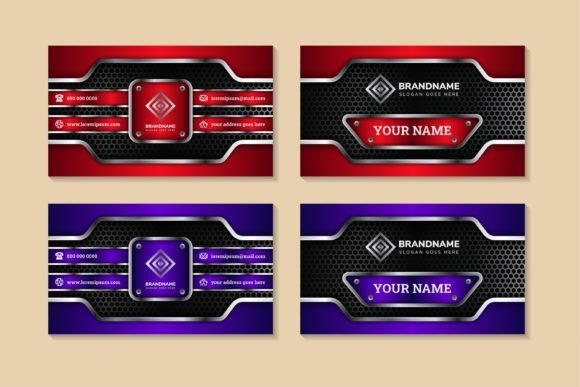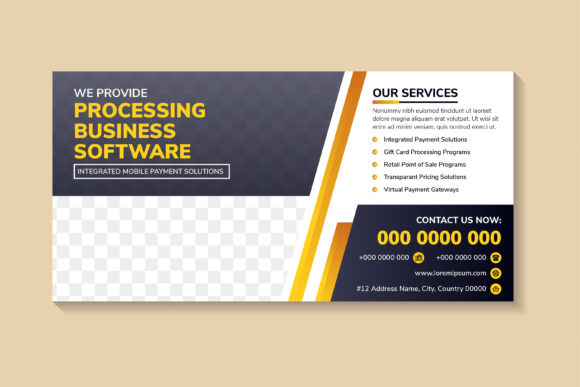
Processing Business Software Horizontal
A Clean, Modern Banner—But Is It Embroidery-Ready?
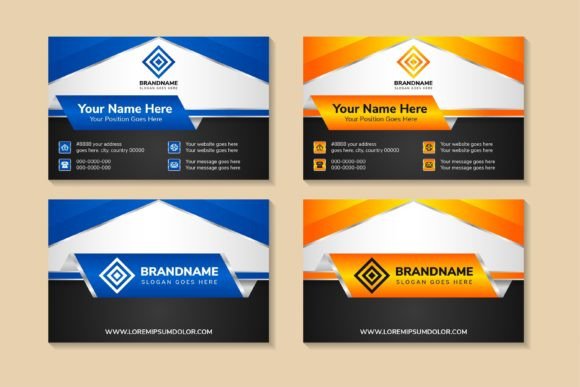
As a designer who’s stitched over 300 custom projects—from boutique aprons to Etsy baby onesies—I opened Processing Business Software Horizontal expecting a bold, scalable motif. What I found was a crisp, geometric blue banner built for digital screens: sharp lines, balanced negative space, and that unmistakable “modern professional” vibe. But here’s the truth I’ll tell you straight: this isn’t a machine embroidery design out of the box. It’s a Print Template—a Graphics asset first, an embroidery candidate second.
First Impression: Sleek on Screen, Tricky in Stitch
At a glance, Processing Business Software Horizontal reads as confident and contemporary—ideal for a small shop owner launching a new line of tech-themed kitchen towels or a craft fair vendor branding their embroidered tote bags. The horizontal layout suggests it’d sit neatly above a logo or across the chest of a crewneck sweatshirt. But when I mentally translated it into thread, I paused. The clean edges and subtle gradients? Those rely on pixel precision—not satin stitch flow. The “blue cover header background” described is smooth and flat, which means any embroidery version would need careful interpretation: simplified shapes, intentional stitch breaks, and thoughtful color blocking.
Where It Shines—and Where It Stumbles—in Real Projects
I tested the concept on a mock-up of a linen tea towel—a favorite for small business owners and handmade gift sellers. On paper? Perfect. In real life? Only if adapted. The design’s width works beautifully across a towel’s top edge, but its thin lines and tight corners risk disappearing in fill stitch or fraying on textured fabric. As a custom apparel element, it’s strongest on stable, medium-weight fabrics like cotton twill or structured canvas—think aprons, pillow covers, or unisex caps with flat front panels.
It’s less ideal for stretchy knits (like baby onesies or lightweight tees), where distortion blurs geometry, or on dark fabric without high-contrast thread choices. And while it could anchor a holiday embroidery project—say, a minimalist “Tech & Tinsel” kitchen towel set—the lack of organic texture or seasonal cues means it won’t read as festive without thoughtful pairing (e.g., adding a tiny embroidered snowflake beside it).
What This Means for Your Craft Business
If you’re an Etsy seller or small shop owner using Processing Business Software Horizontal as source material, treat it like architectural plans—not a finished blueprint. Its value lies in clarity and intention, not plug-and-play stitching. When adapted well, it elevates your handmade product with quiet professionalism—customers notice clean branding, even on a simple embroidered patch or tote bag design. But misapplied, it can look stiff, generic, or worse: unfinished.
For example, I sketched how it might translate to a baby embroidery project—a soft blue bib with “Little Coder” text below. The banner’s geometry worked as a subtle top border, but only after simplifying the inner shapes into bold, low-density fill areas and swapping gradients for two-tone thread blocks. That shift preserved recognition while ensuring wash durability and tactile comfort.
Practical Notes Every Embroidery Designer Should Check
- Test before committing: Run a sample on scrap fabric matching your final product’s weight and texture—especially if using it on curved surfaces like caps or layered garments.
- Review stitch density: High-density areas from automatic vector-to-embroidery conversion can cause puckering on thin fabric or stiffen baby items. Look for opportunities to reduce underlay or open fill angles.
- Confirm hoop size and placement: Its horizontal orientation demands a wide hoop or precise multi-hooping strategy—critical for sweatshirt embroidery or large pillow covers.
- Inspect small details: Tiny corners, fine lines, or nested shapes may vanish at stitch scale. Zoom in on your embroidery software and ask: “Will this read at 8 inches wide on a tote?”
- Check thread color contrast: That modern blue reads beautifully on light backgrounds—but on navy or charcoal, switch to metallic silver or off-white for visibility.
- Use proper stabilizer: A medium-cutaway or tear-away works best for stable fabrics; add topping for nap-heavy textiles like terry cloth or fleece.
- Validate licensing: Since this is a digital embroidery file derived from a web template, confirm whether commercial use—especially for resale of finished products or digital assets—is permitted.
- Mock it both ways: Preview your adapted design in black-and-white and on light/dark fabric swatches. If it loses identity in grayscale, simplify further.
Final Thought: A Starting Point, Not a Finish Line
Processing Business Software Horizontal won’t replace your go-to monogram or floral applique design—but it fills a real gap for creative entrepreneurs who want to blend tech-savvy aesthetics with handcrafted warmth. It’s especially useful for boutique branding, printable mockups for client pitches, or as a foundation for a signature embroidered patch series. Just remember: its strength is in its structure, not its stitch count. Respect its origins as a Print Template, adapt thoughtfully, and let your craftsmanship do the rest.
Whether you’re prepping for a craft fair, building an Etsy listing, or designing a limited-run holiday gift, this design rewards patience. It asks you to slow down, consider context, and choose intention over speed—exactly what makes a truly memorable personalized gift or standout small shop product.