Premium Rental Invoice Template
First Impressions: Clean, Functional, and Unexpectedly Versatile
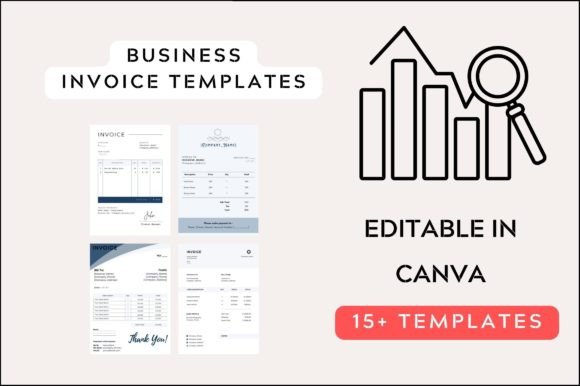
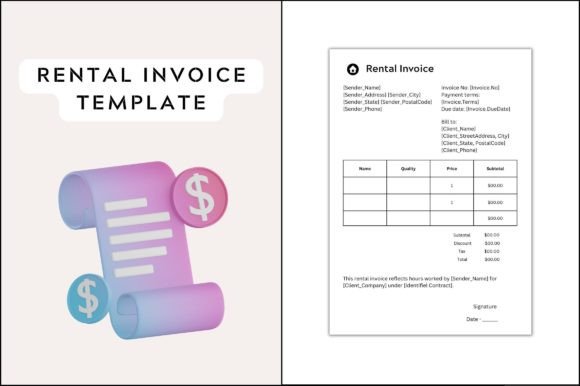
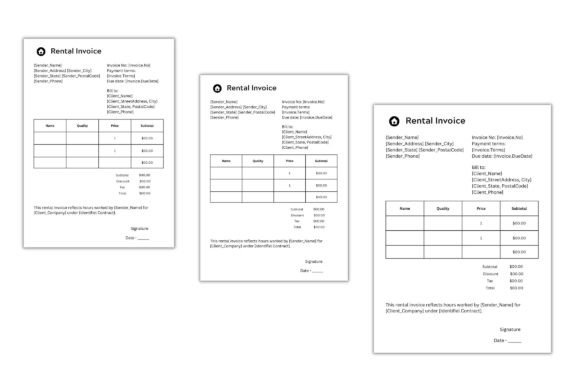
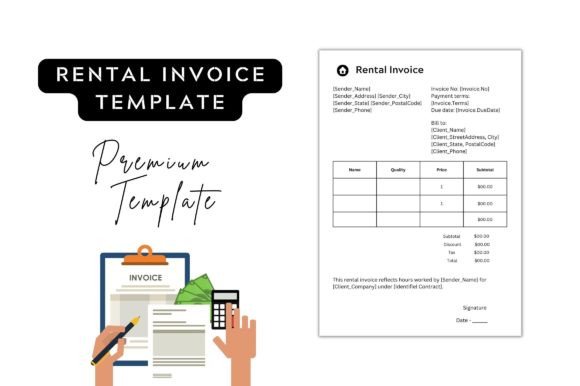
As someone who’s stitched everything from delicate baby onesies to bold boutique tote bags, my eye immediately lands on clarity, balance, and *stitchability*—not just aesthetics. Opening the Premium Rental Invoice Template, I wasn’t expecting a quiet confidence—but that’s exactly what it delivers. It’s not ornate or decorative in the way floral monograms or script logos are. Instead, it reads like a well-designed stationery piece translated into embroidery language: clean lines, generous spacing, consistent stroke weight, and a layout that breathes. The typography is legible at small scales, the borders are subtle but present, and the overall structure feels intentional—not templated by accident.
Real-World Use Case: Embroidering a Boutique Rental Kit for New Parents
Last month, I collaborated with a local baby gear rental service launching a “Newborn Starter Kit” — a curated bundle of organic cotton swaddles, bamboo washcloths, and a custom canvas tote. They wanted each item subtly branded—not with a logo, but with a soft, trustworthy identifier. That’s where the Premium Rental Invoice Template surprised me. By removing the “invoice” header and repositioning the client name and date fields, it became an elegant, minimalist label: “Rented for [Name] • [Date]”. Stitched in soft ecru thread on charcoal linen tea towels and oatmeal cotton swaddles, it read as thoughtful, professional, and quietly personal—not transactional.
Where This Design Truly Shines
- Tote bag design — Centered on the front panel, it anchors the piece without overwhelming; works beautifully in 4x4 or 5x7 hoops.
- Sweatshirt embroidery — Placed above the left chest or centered low on the back, its balanced proportions avoid visual heaviness.
- Embroidered patch — Clean edges and moderate detail make it ideal for iron-on or sew-on patches used in craft fairs or Etsy shop bundles.
- Personalized gift — When customized with names/dates, it adds sincerity to holiday embroidery or wedding rental kits (think: embroidered napkin sets for guest rentals).
- Craft business branding — Small shop owners can use it as a subtle tagline alternative on packaging inserts or thank-you cards printed *alongside* embroidered items.
Design Limits You’ll Want to Respect
This isn’t a design built for dense fill stitch coverage or intricate flourishes—and that’s its strength. But that also means it won’t carry well in certain contexts:
- Small hoop sizes under 3x3": The standard field labels (“Rental Date”, “Client Name”) lose legibility. Simplify or omit non-essential text before resizing.
- Textured or stretchy fabric: On terry cloth towels or ribbed knit caps, fine line work may blur. Opt for slightly heavier satin stitch outlines or reduce stitch density if digitized further.
- Dark fabric: Light-colored thread will pop—but test contrast early. A single-pass running stitch version (instead of filled fields) often reads cleaner on black or navy.
- Curved surfaces like caps: Avoid placing near the crown seam. Stick to flat panels (front bill, side gusset) where registration stays crisp.
- Frequent-wash items: If stitching on baby bibs or kitchen towels, confirm stabilizer choice—tear-away alone may not hold up over dozens of cycles. Add light cutaway backing for longevity.
What It Adds to Your Finished Product—Beyond Looks
The Premium Rental Invoice Template doesn’t shout. It reassures. When stitched onto a handmade apron sold at a farmers’ market, it subtly signals professionalism—not “I made this,” but “I run this with care.” For Etsy sellers offering rental-based digital embroidery files, using this as a printable mockup background elevates perceived value. Customers scrolling past dozens of generic “thank you” designs pause at something that feels *used*, not just designed.
It supports brand consistency without demanding uniformity: swap thread colors to match seasonal palettes, layer it beneath a small icon (a tiny house, key, or leaf), or pair it with hand-lettered tags for hybrid physical/digital product kits. And because it avoids excessive detail, it photographs cleanly—critical for social media previews, printable mockups, or digital product listings.
Practical Embroidery Designer Notes
- Always test the Premium Rental Invoice Template on scrap fabric matching your final project’s weight and weave.
- Check thread color contrast across both light and dark backgrounds—even grayscale mockups reveal legibility gaps.
- Review stitch density: if fields appear overly dense, adjust fill angle or reduce density by 10–15% for breathable fabrics like linen or cotton voile.
- Confirm hoop size compatibility before digitizing further—some versions may assume 5x7" minimum.
- Inspect corners and junctions: sharp angles in vector-based Graphics files sometimes translate to skipped stitches unless smoothed in embroidery software.
- Use proper stabilizer: medium-weight tear-away for stable cottons; cutaway + topping for knits or textured weaves.
- Verify licensing: since this falls under Print Templates, confirm whether commercial use of stitched versions (e.g., selling embroidered totes with this design) is permitted—or if it’s strictly for personal or internal business documentation.
In short, the Premium Rental Invoice Template earns its “Premium” label not through flash, but through function—thoughtful spacing, adaptable structure, and quiet professionalism. It’s the kind of design that disappears into your product just enough to feel intentional, yet remains unmistakably *yours*. Whether you’re prepping a custom embroidered sweatshirt for a local rental startup or building cohesive design assets for your craft business, it’s a grounded, reliable tool—not a trend. And in embroidery, reliability is the rarest luxury of all.