Business Planner: Graphics & Print Templates
As a brand designer and content marketer, I always look for design assets that not only serve a functional purpose but also elevate the visual language of a campaign. This Business Planner is more than just a tool for tracking income and expenses—it’s a creative design that can be woven into various marketing touchpoints. Whether you're launching a new product or refining your social media visuals, this asset offers flexibility and structure.
First Impressions: A Design That Speaks Volumes
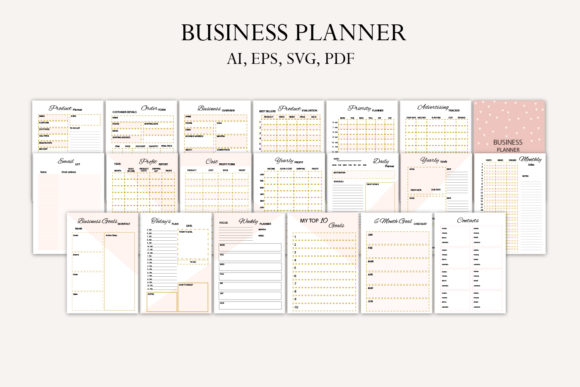
The first thing that catches the eye about This Business Planner is its clean, modern design. The layout feels intentional, with a balance between white space and structured elements. It sets a tone of professionalism and organization, which aligns well with small business branding and commercial design. The color palette is versatile enough to fit into both casual and premium visual styles, making it adaptable for lifestyle content, event promotions, or editorial graphics.
This Business Planner exudes a sense of order without feeling rigid. It’s ideal for brands that want to communicate clarity and reliability while maintaining an aesthetic appeal. Whether you're creating a content kit or designing packaging inserts, the visual consistency of this asset can help reinforce brand identity across multiple platforms.
Real-World Application: From Social Media to Print
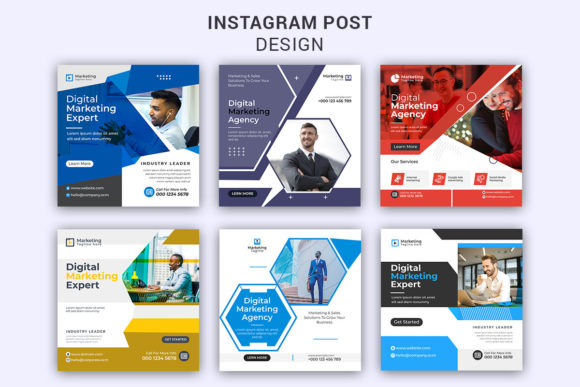
When integrating This Business Planner into a real marketing project, such as a seasonal offer promotion or a digital campaign, the asset proves its worth. For instance, when designing Instagram posts or Pinterest pins, the planner’s structure can serve as a template for consistent visual hierarchy. Its editable files—AI, EPS, SVG—make it easy to customize for different brand guidelines and marketing needs.
For a small business owner launching a new product line, This Business Planner can act as a blueprint for organizing promotional materials. From social media covers to email banners, the asset provides a cohesive framework that supports content marketing efforts. It can also be used in web design, digital ads, and blog graphics, ensuring that all elements maintain a unified look.
Supporting Marketing Goals: More Than Just a Planner
This Business Planner isn’t just about tracking numbers; it’s a tool that enhances the overall marketing strategy. A strong first impression is crucial in today’s competitive landscape, and this asset helps create that impact through its visual appeal. By maintaining a clear visual hierarchy, it ensures that key messages stand out without overwhelming the audience.
Consistent branding is another area where This Business Planner shines. When used across multiple channels—such as social media graphics, packaging design, or editorial layouts—it reinforces brand recognition. This consistency builds audience trust and makes the campaign more memorable.
Moreover, the asset contributes to better product presentation. Whether you’re creating a digital product or preparing a printable promotion, the design elements within This Business Planner can elevate the overall quality of the output. It adds a layer of professionalism that can make a significant difference in how the brand is perceived.
Best Uses: Where This Business Planner Excels
This Business Planner works best in scenarios that require a strong visual anchor. Hero graphics, campaign headers, and product launch visuals benefit from its structured approach. It also serves as a solid foundation for branded templates, content bundles, and promotional banners.
For editorial design or content marketing, the asset provides a reliable framework that allows for creativity without sacrificing coherence. It can be used as a background element in digital ads or as a decorative brand element in merchandise and stickers. Its versatility makes it a valuable addition to any design bundle.
Where to Use With Caution: Avoiding Overload
While This Business Planner is highly effective in many contexts, it’s important to use it thoughtfully. In formal corporate branding, where minimalism is key, the asset may feel too busy. Similarly, in dense information layouts or small mobile graphics, its details might not translate well.
Low-contrast backgrounds or text-heavy ads could also clash with the asset’s design. Brands that lean toward overly minimal aesthetics might find it too elaborate. It’s always wise to test the asset against competitor visuals and ensure it complements rather than competes with the main message.
Designer Notes: Practical Tips for Maximum Impact
Before finalizing This Business Planner for a campaign, test it with your brand’s color palette. Check how it looks in black and white and ensure it maintains its integrity. Place it inside real campaign mockups to see how it interacts with other elements.
Preview it on mobile screens to confirm readability in small sizes. Compare it against other design assets to ensure it fits within your visual style. Test it with different font combinations—serif, sans serif, script, or display fonts—to see how it adapts.
Review spacing and balance to ensure the design doesn’t feel cluttered. Most importantly, confirm the commercial license before using it in paid campaigns, client work, or business branding. This step is crucial for avoiding legal issues and ensuring the asset aligns with your professional standards.
Conclusion: A Valuable Addition to Your Creative Toolkit
This Business Planner is more than just a tracking tool—it’s a graphic design asset that can support a wide range of marketing and branding initiatives. Whether you’re a content creator, small business owner, or digital seller, this print template offers practical value and creative flexibility.
By understanding its strengths and limitations, you can integrate it effectively into your workflow. From social media graphics to packaging design, This Business Planner has the potential to enhance your campaign visuals and strengthen your brand’s presence in the market.